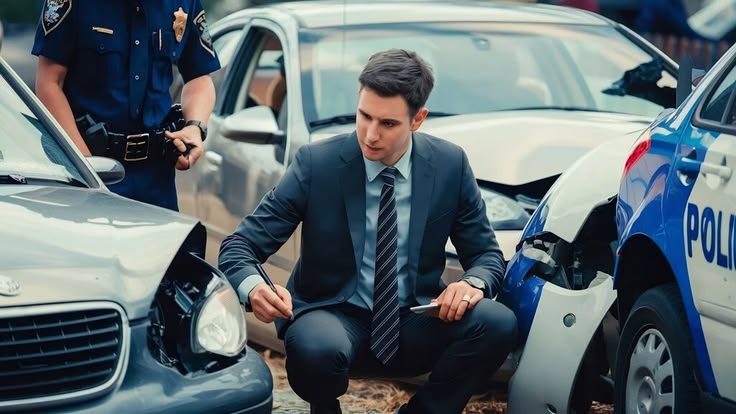
A car crash can flip your day upside down in seconds. One moment you’re heading down Connecticut Avenue, maybe grabbing coffee before work. Then—metal crunches, brakes scream, traffic stops cold. It’s stressful. It’s confusing. And right after the shock fades, one question usually comes up: Who caused the crash? That question matters more than most people think. In Washington, DC, liability decides who pays for medical bills, lost income, car repairs, and other losses. It can shape the whole claim. That’s why many people turn to experienced legal teams like Price Benowitz Accident Injury Lawyers, LLP for help after a serious wreck. Their attorneys handle many injury cases across Washington, DC, including car, truck, motorcycle, and pedestrian accidents.
Content
- 1 Quick Look: What Determines Liability?
- 2 Washington, DC Has Strict Fault Rules
- 3 Police Reports Carry Weight
- 4 Traffic Laws Matter More Than People Realize
- 5 What About Rear-End Collisions?
- 6 Evidence Can Make or Break a Claim
- 7 Witnesses Often Change Everything
- 8 Insurance Companies Investigate Aggressively
- 9 Multi-Car Crashes Get Complicated Fast
- 10 Serious Injuries Raise the Stakes
- 11 Pedestrians and Cyclists Have Rights Too
- 12 Timing Is Important After a Crash
- 13 FAQs About Washington, DC Car Accident Liability
Quick Look: What Determines Liability?
Before we get deeper, here’s the short version. Liability usually depends on:
- Police reports
- Driver behavior
- Traffic laws
- Witness statements
- Camera footage
- Vehicle damage
- Expert reviews
Simple enough on paper. Real crashes? Not always simple.
Washington, DC Has Strict Fault Rules
Here’s the thing—Washington, DC follows a rule called “pure contributory negligence.” It sounds technical, but the idea is harsh. If you share even a tiny amount of blame for the crash, you may lose the right to recover money. Even 1% fault can hurt your case. That surprises many drivers. In some states, partial fault still allows payment. DC is different. So insurance companies look hard for mistakes. Maybe you checked your phone. Maybe you changed lanes too quickly. Maybe you rolled slightly past a stop sign. Small details suddenly become very important. That’s why evidence matters early.
Police Reports Carry Weight
After a crash, police usually create an accident report. Officers note:
- Road conditions
- Driver statements
- Witness comments
- Visible injuries
- Traffic violations
Insurance adjusters read these reports carefully. Now, a police report does not automatically decide fault. Still, it can strongly influence a claim. Say one driver ran a red light near Dupont Circle. If the officer notes that violation, it supports the injured driver’s side. On the other hand, conflicting stories can complicate things fast.
Traffic Laws Matter More Than People Realize
Most liability cases connect back to traffic rules. Speeding, distracted driving, tailgating, drunk driving, and illegal turns often create clear evidence of negligence. Let me explain. Drivers have a legal duty to operate safely. When someone breaks that duty and causes harm, liability usually follows. For example:
- A driver texting while crossing an intersection
- A speeding SUV rear-ending another car
- A rideshare driver ignoring pedestrian signals
These actions can point directly to fault. Washington streets stay busy year-round. Add tourists, cyclists, buses, and heavy commuter traffic—it gets messy quickly. Honestly, even experienced drivers make mistakes under pressure.
What About Rear-End Collisions?
People often assume rear-end crashes are automatic cases. Usually, the rear driver holds responsibility because drivers must leave a safe stopping distance. But there are exceptions. A sudden brake check or broken brake lights can shift blame. That’s where investigators look deeper. They review:
- Vehicle damage
- Skid marks
- Dashcam video
- Road conditions
- Driver reactions
Sometimes the facts tell a different story than first impressions.
Evidence Can Make or Break a Claim
You know what helps most after a crash? Documentation. Strong evidence can protect your side before memories fade. Helpful evidence includes:
- Photos of the crash scene
- Medical records
- Traffic camera footage
- Phone records
- Witness contact details
- Repair estimates
Even weather reports may matter. A rainy evening crash near the Capitol may involve poor visibility or slick roads. Those details help paint the full picture. And yes, timing matters. Evidence disappears fast.
Witnesses Often Change Everything
Neutral witnesses can carry major weight. Imagine two drivers blaming each other at a four-way stop. No cameras. No clear damage pattern. Then a nearby pedestrian confirms one driver ignored the stop sign. That changes the case. Independent witnesses often seem more believable because they have no financial interest in the outcome. Small observations help too. A witness might mention speeding, swerving, or distracted behavior seconds before impact.
Insurance Companies Investigate Aggressively
Insurance adjusters don’t simply hand out checks. Their job is to reduce payouts when possible. That means they may:
- Review social media
- Examine medical records
- Question injury severity
- Challenge fault claims
- Request recorded statements
Some people accidentally hurt their own case by speaking too freely after a crash. A simple “I’m okay” at the scene may later get twisted into proof you weren’t injured. Strange, right? But it happens often. That’s why many injured drivers speak with a DC Personal Injury Lawyer before dealing heavily with insurers.
Multi-Car Crashes Get Complicated Fast
Pileups create chaos. One crash can trigger another. Then another. Suddenly several insurance companies argue over fault percentages, timelines, and driver actions. Liability may involve multiple people at once. These cases often require:
- Accident reconstruction experts
- Video analysis
- Cell phone records
- Black box vehicle data
Busy roads like I-295 or the Beltway can become legal puzzles after chain-reaction crashes.
Serious Injuries Raise the Stakes
When crashes cause spinal injuries, burns, or long-term disability, liability fights become more intense. Medical costs rise quickly. Lost wages pile up. Daily life changes. In catastrophic injury cases, legal teams often work with doctors, economists, and crash experts to calculate damages fairly. That process takes time. It also takes solid proof.
Pedestrians and Cyclists Have Rights Too
Washington, DC sees heavy bicycle and foot traffic. Especially around downtown areas, college campuses, and Metro stations. Drivers must watch carefully for pedestrians and cyclists. Failure to yield, distracted driving, or unsafe turns can create liability. Yet these claims can become complicated under DC’s strict negligence rules. For example, insurers may argue a pedestrian crossed outside a crosswalk or a cyclist failed to signal properly. Even then, the full facts still matter.
Timing Is Important After a Crash
Waiting too long can damage a case. Memories fade. Video gets deleted. Witnesses disappear. Medical delays also create problems. Insurance companies may argue injuries came from something else if treatment starts too late. That’s why early action matters after a Washington, DC car accident. Not panic. Just action. Take photos. Get medical care. Save paperwork. Speak carefully. Those steps help protect your rights later.
FAQs About Washington, DC Car Accident Liability
1.In a car collision in Washington, DC, how is fault established?
Evidence is used to prove fault. Traffic law infractions, police records, witness testimony, pictures, and video footage all contribute to identifying the crash’s cause. Every element is thoroughly examined by lawyers and insurance companies.
2.What occurs if both drivers are at fault?
Pure contributory negligence laws apply in Washington, DC. Compensation may be refused if an injured party bears even a tiny portion of the blame. Compared to many other jurisdictions, DC takes culpability issues more seriously because of this regulation.
3.Is culpability determined by a police report?
Not entirely. Although police reports have a significant impact on claims, the ultimate legal decision is not made by them. Before deciding who is at fault, courts and insurance companies still consider further evidence.
4.Should I contact the insurance provider for the other driver?
Take caution. Your statements could potentially be used against you by insurance adjusters. Before making recorded remarks or accepting settlement offers, a lot of people decide to consult with an attorney.
5.How long do I have in Washington, DC, to submit a claim for a car accident?
After a collision, there is typically a time limit in Washington, DC for filing personal injury claims. If you wait too long, recuperation can be completely blocked. Early legal consultation helps safeguard crucial documents and due dates.