EPDM is widely used where parts need resistance to weathering, heat, water, and repeated outdoor exposure. In rubber injection molding, material capability alone does not determine part quality. The processing window matters just as much. For buyers comparing injection molding rubber materials, the key question is whether the compound can remain stable from plasticizing through filling and vulcanization.
A workable process window gives operators room to control viscosity, flow, cure time, and mold filling without pushing the compound too close to scorch or under-cure conditions. This matters for seals, gaskets, vibration-control parts, and components with thin sections or complex flow paths.
Why EPDM Requires Careful Process Control
EPDM compounds can behave differently depending on filler loading, plasticizer content, cure chemistry, and part geometry. These factors influence viscosity and cure response. A setting that works for one formulation may not suit another with a similar end use.
Temperature is one key variable. The compound must flow sufficiently to fill the cavity, while excessive heat in the screw, barrel, runner, or transfer path can shorten scorch time and increase the risk of premature curing. Premature crosslinking can restrict flow before the cavity is filled. Low temperatures create the opposite problem by increasing viscosity and extending the cycle.
Time also shapes the process window. The compound needs sufficient residence and cure time, but excessive exposure to heat can reduce process stability. Processors therefore need a usable range rather than one fixed setting.
The Window Extends Beyond Temperature
Injection speed, injection pressure, screw behavior, and mold venting also affect how EPDM fills the cavity. High flow resistance may tempt operators to raise pressure, but pressure alone cannot correct material that is too cold, too viscous, or already beginning to cure.
When evaluating injection molding rubber materials, production teams should review rheological behavior, cure characteristics, expected residence time, and part geometry together. Thin ribs, deep cavities, long flow lengths, and inserts can narrow the acceptable operating range.
Venting deserves equal attention. Trapped air may create short shots, burn marks, or incomplete surfaces. Mold design, vent condition, and injection profile need to work together. Stable molding depends on the relationship between material behavior and machine control.
Building a Practical EPDM Setup
A useful starting method is to establish a safe thermal range from compound data, then confirm it through controlled molding trials. Processors can observe fill pattern, cure condition, flash, surface appearance, and part dimensions while adjusting one variable at a time.
Machine repeatability also matters. If injection position, dosing, or temperature control varies from cycle to cycle, the practical processing window becomes harder to maintain. Equipment selection should therefore consider control stability alongside clamping force and shot capacity.
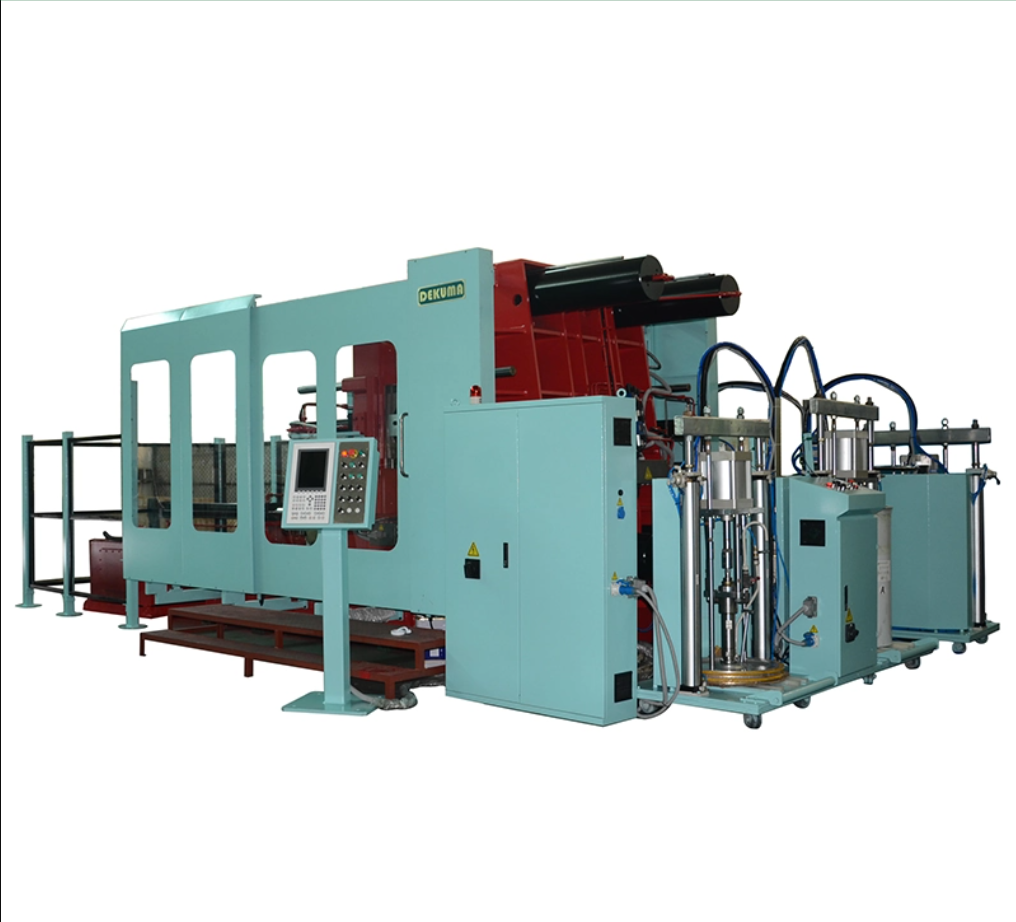
Dekuma develops rubber injection molding equipment and turnkey solutions for industrial applications. In an EPDM project, this support becomes relevant when the machine, mold behavior, compound characteristics, and cycle design need to be reviewed as one production system rather than as separate purchasing items.
Different Elastomers Need Different Control Logic
EPDM and silicone rubber require different process controls. For EPDM, the main considerations include compound flow, scorch safety, residence time, and vulcanization conditions.
This contrast explains why machine configuration should follow material behavior. For liquid silicone rubber injection molding, DEKUMA offers a dedicated machine for silicone rubber applications, including electronics and infant-care products. The machine uses a B&R control platform to support stable low-temperature molding.
The machine also uses synchronized dosing to handle soft, high-flow silicone and a static mixer for consistent A/B blending. These features address two-component silicone processing. They should not be transferred directly to EPDM settings, but they show the same principle: material properties should define the process architecture.
Why the Processing Window Affects Production Economics
A narrow or poorly controlled EPDM window can increase trial time and make defects harder to diagnose. Operators may see flash, incomplete filling, inconsistent cure, trapped air, or dimensional variation, while the visible defect may come from several interacting causes.
A validated window gives production teams room to respond to changes in batch condition, mold temperature, or cycle rhythm. It also makes process transfer easier when a part moves from development into regular production.
A Stable Window Creates a More Predictable Process
EPDM molding works well when temperature, residence time, injection behavior, venting, and cure are treated as connected variables. The goal is not to chase one ideal setting. It is to define a practical range that produces acceptable parts repeatedly while leaving margin for normal production variation.
That approach also makes equipment discussions more useful. Instead of comparing machines only by size or force, buyers can ask how the system controls the variables that matter to their compound and part design. A defined processing window turns those questions into clearer machine, mold, and process decisions.